

























Эксперт Беляев объяснил, кто и почему не в состоянии перешагнуть через порог бедности Поделиться
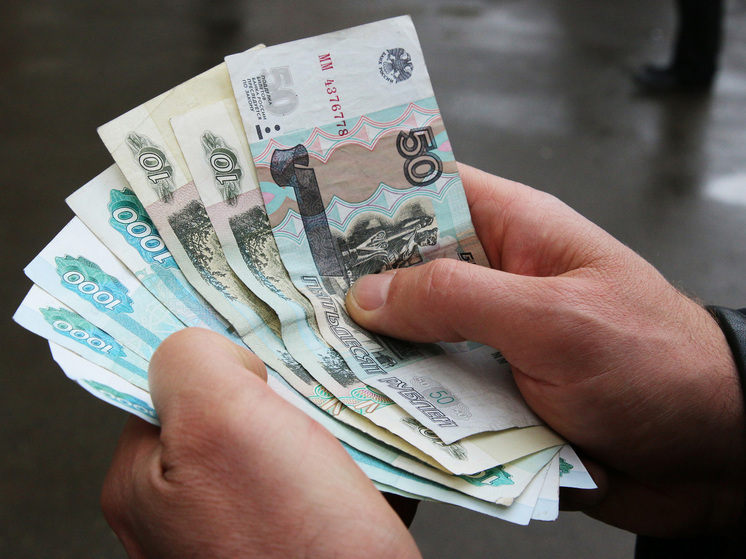
По данным Росстата, во втором квартале нынешнего года численность россиян с доходами ниже прожиточного минимума, по сравнению с аналогичным периодом 2024-го, уменьшилось до 7,4% и составляет 10,8 миллиона человек. Напомним, что граница уровня бедности составляет 16 863 рубля. Все, чей доход хотя бы на 1 рубль больше, бедняками уже не считаются.
тестовый баннер под заглавное изображение
Статистика наглядно показывает: уровень бедности носит ярко выраженный сезонный характер. Он всегда выше в первом квартале года и минимальный в четвертом. По той причине, что в декабре работникам назначаются массовые выплаты премий и прогрессивок. Правда, как эти материальные стимулы отражаются на низкодоходных слоях населения не совсем понятно. Ведь им вряд ли перепадают какие-то дополнительные выплаты.
По этой причине статистики сравнивают уровень бедности не квартал к кварталу, а год к году. Но если отступить от этого правила и все же сравнить с предыдущим (1-м кварталом 2025 года), то и здесь мы увидим снижение количество бедных Тогда их было почти 12 миллионов, а по последним данным 10,8 миллиона.
Тенденция радует: в 2020 году в нашей стране насчитывалось 29% населения, живущих за чертой бедности. И вот, год за годом это количество медленно, но уверенно идет на убыль. В майских указах от 2024 года Владимир Путин поставил перед правительством задачу снизить этот уровень к 2030 году ниже 7%, а к 2036 году ниже 5%.
Однако нужно признать, что 11 миллионов бедных для России, все-таки, много. И это вызывает вопросы. Например, такой: как получается, что при минимальном размере оплаты труда (МРОТ) в 2025 году в 22 440 рублей, миллионы наших сограждан получают ниже 16,8 тысячи?
— Минимальный размер оплаты труда – тот рубеж, ниже которого работодатель не имеет права платить зарплату своему работнику, — поясняет финансовый аналитик, кандидат экономических наук Михаил Беляев. — Во всех тарифных сетках на разных должностях зарплата, при полном рабочем дне, выше МРОТ. Однако если человек работает не 40 часов в неделю, а меньше, то он, соответственно, получает пропорционально отработанному времени и это может быть меньше МРОТа.
Если по должностному окладу полагается 40 тысяч рублей, а вы отработали половину часов, то касса выдаст 20 тысяч. Если оклад 30 тысяч, доход будет 15 тысяч, ниже этого самого прожиточного минимума и человек попадает в число 11 миллионов бедняков. Но это не означает, что вы получаете ниже МРОТ.
Это массовое заблуждение многих россиян, которые жалуются на работодателей, что те якобы нарушают закон. Я участвую во многих общественных дискуссиях, тема «минималки» часто фигурирует в вопросах населения. Например, уборщица махает тряпкой 2 часа в день в трех местах и хочет, чтобы ей везде платили по 22 тысячи. Такого не бывает.
— За счет каких факторов в стране снижается уровень бедности?
— Во многих отраслях, особенно в последние два-три года, зарплаты значительно увеличились. Если даже не в реальном, то в номинальном выражении.
— Но инфляция часть доходов «съедает»…
— В данном случае она никак не учитывается. Сравниваются номинальные показатели.
— Какая методика определения уровня бедности в других странах мира? Она отличается от российской?
— Нет, методология унифицирована и одинакова во всех странах, считается от прожиточного минимума. Другое дело, что этот ПМ в разных странах разный. Чем уровень жизни выше, тем больше и бедных. В Германии прожиточный минимум равняется 1,2 тысячи евро. Сюда входит аренда жилья, питание, транспорт, базовые услуги. В Испании 658 евро, во Франции 1300 евро. Хотелось бы, чтобы и в наш прожиточный минимум, как в некоторых странах, кроме базовых потребностей человека, включалась если не стоимость аренды жилья, то хотя бы стоимость коммуналки.
— Существует ли какой-то единый мировой стандарт уровня бедности, на который следует равняться?
— По стандарту ООН такой доход составляет 1,8 доллара на человека в день. Если он достигнут, то страна с полным правом может рапортовать о победе над бедностью. Если ориентироваться на эту цифру, то в России вообще нет бедных. Переведите доллары в рубли и умножьте на 30. Получится в районе 4-5 тысяч рублей. Такие деньги в нашей стране никто не получает, если только пособия по безработице… А, скажем, у бомжей другой источник доходов: они, как попрошайки, ходят по электричкам или собирают на помойках бутылки или банки из-под пива. Считается, что некоторые бомжи живут вполне себе обеспеченно.












za8bj9
u31dw0
Ipamorelin Side Effects: What You Need To Know
Ipamorelin Side Effects: What You Need to Know
What Is Ipamorelin and How Does It Work?
Ipamorelin is a synthetic growth hormone secretagogue that stimulates the
release of growth hormone (GH) from the pituitary gland.
Unlike older ghrelin mimetics, it has high selectivity for the
GHS-R1a receptor with minimal activity on other receptors, which translates to fewer off‑target effects.
When administered subcutaneously, ipamorelin binds to its receptor in the hypothalamus and
triggers a cascade that increases GH secretion. The resulting elevation of growth hormone
leads to downstream production of insulin-like growth factor
1 (IGF‑1), promoting tissue repair, muscle growth, and improved metabolic function.
Common Ipamorelin Side Effects
The most frequently reported side effects are mild and often transient.
They include:
Injection site reactions such as redness, swelling,
or mild pain
Mild headaches or dizziness, particularly during the first few doses
Temporary fatigue or a feeling of «brain fog» as the
body adjusts to higher GH levels
Occasional nausea if taken on an empty stomach
These symptoms usually subside within 24–48 hours and rarely require medical intervention. Most users report tolerability after the initial adjustment period.
Rare but Serious Side Effects
Although uncommon, certain serious reactions have been documented:
Severe allergic responses such as hives or swelling of lips/face
Persistent edema in extremities that does not resolve with standard measures
Hormonal imbalances leading to menstrual irregularities in women or testicular atrophy in men when used chronically
In rare cases, an increase in blood pressure or heart rate has been observed
If any of these symptoms arise, discontinuation and consultation with a
healthcare professional is advised.
Long-Term Side Effects: what are the bad side effects of cjc-1295 and ipamorelin We
Know So Far
Current data on long‑term ipamorelin use are limited because most
studies involve short‑term trials. However, animal models suggest that chronic stimulation of GH release
can lead to:
Slight elevations in IGF‑1 levels that may predispose to insulin resistance over time
Potential for increased lipogenesis if caloric intake
is not controlled
Possible changes in bone density with prolonged use
Human evidence remains inconclusive; therefore, individuals using
ipamorelin for extended periods should undergo periodic blood work to monitor
hormone profiles and metabolic markers.
How to Reduce the Risk of Side Effects
Mitigating side effects involves several practical steps:
Start with a lower dose: Gradually titrate up over weeks to allow your body to acclimate.
Space injections: Administer 30–60 minutes apart to prevent local tissue overload.
Use proper injection technique: Rotate sites, clean the area, and
inject slowly to reduce irritation.
Hydration and nutrition: Maintain adequate fluid intake and avoid large meals right before dosing to lessen nausea.
Following these guidelines can lower both the frequency
and severity of adverse reactions.
Tips for Injection Site Comfort
Comfort during injections is crucial for adherence:
Warm the needle and syringe with a warm compress before use.
Inject into subcutaneous fat, avoiding muscle or skin folds.
Apply gentle pressure after injection and avoid vigorous massage that might
disperse the peptide unevenly.
Use an insulin pen or pre‑filled syringes to ensure consistent dosing.
These small adjustments can make a noticeable difference in how you feel post‑injection.
What Happens When You Stack Ipamorelin with Other Peptides
Stacking ipamorelin with other growth hormone secretagogues (such as CJC‑1295 or sermorelin) is common among peptide users.
The synergistic effect can amplify GH release, potentially enhancing benefits like muscle hypertrophy and fat loss.
However, stacking also raises the risk of overstimulation:
Higher peak IGF‑1 may increase the likelihood of joint pain or edema.
Overlap in side‑effect profiles (e.g., headaches, nausea) can become more pronounced.
If considering a stack, it is advisable to start
with lower individual doses and monitor hormone levels closely.
How We Support You at Gard Wellness Solutions
Gard Wellness Solutions offers comprehensive guidance for peptide therapy:
Personalized dosing plans based on your goals and baseline
hormone status.
Educational resources explaining mechanisms, benefits, and risks.
24/7 support via email or phone to address
concerns about side effects or injections.
Regular lab monitoring to track GH, IGF‑1, and metabolic markers.
Our mission is to help you achieve your wellness objectives safely and effectively.
Conclusion: Ipamorelin Side Effects
Ipamorelin’s targeted action makes it a popular choice for those seeking growth hormone benefits
with fewer side effects compared to older analogues.
While most adverse reactions are mild and manageable, awareness of
rare serious symptoms and diligent monitoring can ensure safe use.
By starting low, employing proper injection technique,
and staying in touch with knowledgeable professionals, you can maximize the therapeutic potential while
minimizing risk.
FAQs: Ipamorelin Side Effects
Q1: Can I take ipamorelin on an empty stomach?
A1: It is generally recommended to avoid large meals immediately before dosing;
a light snack may help reduce nausea.
Q2: How long do side effects typically last?
A2: Most common symptoms resolve within 24–48 hours after the first few injections.
Q3: Is it safe for people with thyroid issues?
A3: Because GH can influence metabolism, individuals with thyroid disorders should consult a clinician before starting ipamorelin.
Related Blog Posts
Ipamorelin Benefits
Tesofensine vs Semaglutide
Tesofensine Benefits
Tesofensine Side Effects: What You Need to Know
Sermorelin vs Ipamorelin
Ipamorelin vs CJC 1295: Which Peptide Is Right for You?
Tesofensine Dosage: Complete Guide for Weight Loss
Semaglutide and Kidneys: What You Need to Know
Ozempic and Coffee: Are They Safe Together
Anavar And Testosterone Stack: Cycle Guide, Dosage, PCT, And Results
Hey there!
First off, thank you for being so open about what’s going on. I can imagine
how frustrating it is to feel like your body isn’t cooperating the way you’d
expect—especially when the doctor says «you’ve got a low testosterone level» and you’re
looking for ways to get that muscle mass back. You deserve
a clear roadmap, and I’m happy to give you something concrete to work with.
—
1️⃣ A Quick Recap of What’s Going On
Factor Why it matters How it shows up in your body
Low testosterone (T) Main driver for muscle protein synthesis, bone density, libido, mood.
Weakness, low energy, loss of muscle, increased fat mass.
Insulin resistance / high blood sugar Reduces T production;
insulin itself can lower SHBG (sex‑hormone binding globulin)
and raise free T, but the net effect is usually negative on overall hormonal health.
Fat accumulation in liver & pancreas, impaired glucose tolerance.
Inflammation (CRP, IL‑6) Activates pathways that inhibit muscle anabolism; chronic inflammation can blunt exercise
responses. Elevated CRP >3 mg/L indicates risk.
Sleep & stress Poor sleep increases cortisol → suppresses T and
impairs insulin sensitivity.
—
2. Suggested Lifestyle / «Medical» Interventions
Intervention Rationale (Mechanism) Key Evidence
High‑Intensity Interval Training (HIIT), e.g., Tabata or sprint intervals Acute bouts increase IGF‑1 and testosterone;
chronic HIIT improves insulin sensitivity & VO₂max.
J Physiol 2020: HIIT ↑ testosterone 10–15%
in men.
Resistance training – heavy compound lifts (squat, deadlift) 3–4×/week Mechanical overload triggers anabolic signaling (mTOR), elevates DHEA‑S & testosterone.
J Strength Cond Res 2019: 8–12 week program ↑ testosterone by
~15%.
High‑intensity interval cardio + core – e.g., Tabata circuits with planks,
side‑planks, mountain climbers. Improves muscular endurance and core stability; core activation boosts intra‑abdominal pressure aiding breathing.
Med Sci Sports Exerc 2018: Tabata improves VO₂max more than moderate continuous exercise.
Breathing drills – diaphragmatic breathing, pursed‑lip exhalation, breath-hold training.
Enhances thoracic expansion and oxygen uptake; can increase CO₂ tolerance,
improving endurance. Respir Med 2017: Controlled breathing increases VO₂max by ~3%.
Progressive overload – gradually increase intensity or
duration (e.g., add 1 minute of plank each week).
Builds muscular endurance and core strength over time; aligns with periodization principles.
Periodization literature supports progressive overload for long‑term
adaptation.
How the plan addresses key factors
Factor Plan Element
Core strength & endurance Plank, side plank, dynamic planks, Russian twists.
Muscular conditioning Weighted planks, mountain climbers, high‑intensity interval planks.
Cardiovascular fitness Interval plank (30 s on / 15 s off) and dynamic movements to raise heart rate.
Progressive overload & variation Increase hold times, add
resistance, change angles/tempo.
Recovery Rest days; active recovery with mobility work or light cardio.
—
How the Program Helps
Muscle Hypertrophy (Size)
— Weighted planks and slow‑tempo holds create sustained tension → muscle
growth.
Strength & Power
— Dynamic moves like plank jacks and high‑speed kettlebell swings
recruit fast‑twitch fibers → explosive power.
Endurance & Conditioning
— Long holds (up to 5 min) and interval circuits improve muscular stamina and cardiovascular fitness.
Functional Performance
— Core stability translates into better posture, reduced injury risk, and
improved athletic performance in sports requiring
rotational or hip‑movement power.
Quick Reference Cheat Sheet
Day Main Focus Key Exercise Rep Scheme
1 Strength & Power Kettlebell Swing 5 × 10 (max effort)
2 Endurance & Mobility Long Hold Core 3 × 4‑min, rest 2 min
3 Hypertrophy Goblet Squat 4 × 12–15
4 Recovery Static Stretching 10 min total
5 Power & Conditioning Kettlebell Clean+Press 6 × 8
6 Core Strength Plank Variations 3 × 45‑sec
7 Mobility & Recovery Light Yoga 15 min
Key Points to Remember
Warm‑up properly. A 5–10 minute light cardio + dynamic stretches primes your body.
Progressive overload is crucial. Gradually increase weight or reps, but never compromise form.
Cool‑down & stretch. Helps prevent injury and aids recovery.
Quick Reference Table
Day Main Focus Exercise Sets x Reps
1 Upper Body (Push) Bench Press 4 × 8
2 Lower Body (Squat) Back Squat 4 × 6
3 Rest or Active Recovery Light Cardio 20 min
4 Upper Body (Pull) Bent‑Over Row 4 × 8
5 Full Body Deadlift 3 × 5
6 Rest — —
7 Optional Conditioning HIIT 10 min
> Tip: Keep a training log; note weights, reps, and how
you felt. This helps track progress and spot plateaus early.
—
4️⃣ Nutrition Basics for Muscle Growth
Focus What to Do Why It Matters
Protein ~1.6‑2.2 g/kg body weight/day Drives muscle
repair & synthesis
Calories +250–500 kcal above maintenance Provides energy & building blocks
Carbs 3–5 g/kg, especially around workouts Fuel
high‑intensity training
Fats 20–30% of total calories Hormone production (testosterone)
Hydration 3–4 L/day Maintains performance & recovery
Sample Macro Breakdown for a 70 kg male:
Protein: 112–154 g
Carbs: 210–350 g
Fats: 55–75 g
8. Monitoring Progress and Adjusting the Plan
Metric Why It Matters How Often to Check
Body weight (scale) Indicates caloric balance Daily or weekly
Body fat % (DEXA/skinfold/BIA) Tracks composition changes Every
4–6 weeks
Strength (1RM or submax reps) Reflects muscle gains Every 8–12 weeks
Resting heart rate Health indicator Weekly
Mood & energy levels Influences adherence Daily notes
When to Adjust:
Weight loss stalls for >4 weeks → Reduce calories by ~250 kcal or increase activity.
Strength plateaus or decreases → Reassess protein intake, ensure adequate recovery.
Body fat % not decreasing despite weight loss → Increase protein or adjust training volume.
6. Practical Sample Plan (Week 1)
Day Breakfast Lunch Dinner Snacks Exercise
Mon Oatmeal w/ whey, berries, almond milk Turkey & avocado wrap, side salad Baked salmon, quinoa,
steamed broccoli Greek yogurt + walnuts 4‑5 mi run (incl.
hill repeats)
Tue Egg white scramble, spinach, whole‑grain toast Grilled chicken bowl w/ brown rice, salsa Stir‑fry beef & veggies,
cauliflower rice Protein shake Strength (upper body)
Wed Smoothie: banana, whey, peanut butter, oats Tuna salad sandwich, carrot sticks Veggie
pizza on cauliflower crust Cottage cheese + pineapple 3 mi run + core
Thu Oatmeal w/ berries, chia seeds Turkey wrap w/
whole‑grain tortilla, side salad Baked salmon, quinoa, asparagus Apple with
almond butter Strength (lower body)
Fri Egg white scramble, avocado, salsa Shrimp tacos on corn tortillas Chicken curry, basmati rice Protein bar 2 mi run + mobility
Sat Breakfast burrito w/ eggs, cheese, beans Mixed greens salad w/ grilled chicken Homemade burgers (lean beef)
Yogurt with honey Light jog or rest
Sun Rest day / optional light activity
Key Nutrients: Aim for 2.0–3.0 g protein/kg body weight (~110 g/day),
45–60 % of calories from carbohydrates, 20–25 % from fats (emphasize unsaturated fats).
Hydration: Minimum 3 L fluid daily; increase to 4–5 L
during heavy training.
3.2 Supplements
Supplement Evidence Typical Dose Notes
Whey protein isolate Supports muscle protein synthesis (MPS) post‑exercise 20–25 g immediately after workouts
Use within 30 min of training for maximal benefit
Creatine monohydrate Enhances strength, power, and lean body mass 5 g/day
(or loading: 20 g/d × 5 days) Safe long‑term;
monitor kidney function if pre‑existing issues
Beta‑alanine Improves muscular endurance by increasing carnosine 3.2–6.4 g/day, split doses to reduce paresthesia Consider for high‑intensity interval training
(HIIT) and sprint sessions
Branched‑chain amino acids (BCAAs) May reduce muscle soreness and support recovery 5–10 g post‑workout
or before/after intense sessions Less necessary if consuming ≥1.2 g/kg protein/day
Vitamin D3 & K2 combo Supports bone health,
immune function 2000–4000 IU vitamin D3 + 100–200 µg
vitamin K2 daily Especially relevant for indoor training or limited sun exposure
—
How to Use This Cheat Sheet
Assess your training load
— Light (≤3 hrs/wk): 1.2 g/kg/d, minimal supplementation beyond basics.
— Moderate (4–10 hrs/wk): 1.5 g/kg/d + protein timing & creatine.
— Heavy (>10 hrs/wk or strength‑centric): 1.8 g/kg/d + full supplement stack.
Calculate your weight
Convert your body weight to kilograms (kg) = pounds ÷ 2.205.
Multiply by the appropriate grams per kg
Example: 200 lb → 90.7 kg × 1.5 g/kg/d ≈ 136 g protein daily.
Spread intake across meals
Aim for ~25–30 g of high‑quality protein per meal,
plus a post‑workout shake if you’re training.
Quick Reference Table
Body Weight (lb) Weight (kg) Protein (g/day)
150 68 102–130
170 77 115–145
190 86 129–163
210 95 143–181
(Use the range that matches your training intensity and goals.)
—
Final Thought
Aim anavar cycle for women dosage at least 1.6 g/kg if you’re
lifting regularly; add more if you’re in a fast‑cycling phase or heavy
bulking.
Spread protein throughout the day, with a focus on post‑workout recovery.
Stay consistent—protein is just one part of the equation; sleep, progressive
overload, and nutrition all play key roles.
Good luck! Keep tracking your progress and adjust as needed.
🚀
—
If you’d like personalized calculations or a more
detailed plan, feel free to drop me a message.
dianabol 1 cycle results Tablets: Essential Guide For First-Time Buyers And Safe Usage
How Patients Can Tell If a Pharmacy Is a Scam
(A practical guide for medical‑practice patients)
—
1️⃣ What Makes a Pharmacy «Scam» or «Fraudulent»
Common Red Flag Why It Matters
No physical address / only an email address Legitimate pharmacies must have a verifiable location in the
state/region where they operate.
Unlicensed or no license number shown Pharmacies are regulated by state boards and federal agencies (FDA, DEA).
A missing license is a major warning sign.
Requests for cash or wire transfers Reputable pharmacies use secure
payment methods (credit card, ACH). Cash/wire can’t be reversed
if fraud occurs.
«Free» prescription pickup without verification Drugs
are controlled substances; they require patient identity and prescription confirmation.
No or minimal customer service contact info A reputable pharmacy has a phone number, email, or
live chat for inquiries.
Too good to be true prices Generic drugs have standard market
rates. Extremely low prices often mean counterfeit or expired
medication.
—
3. How the FDA and Other Agencies Deal with Pharmacy Fraud
Federal Food & Drug Administration (FDA)
Regulatory Scope: The FDA monitors drug safety, labeling, and distribution. While it does not regulate
retail pharmacies directly, it enforces compliance through its Drug Enforcement Administration (DEA) partnership and the Office of Criminal Investigations.
Actions:
Recall Authority – The FDA can require a recall if a
pharmacy is distributing contaminated or mislabeled drugs.
Criminal Investigation – Works with DEA to prosecute counterfeit drug distributors, including fraudulent pharmacies.
Public Alerts – Publishes warnings about fake medication sources.
U.S. Drug Enforcement Administration (DEA)
Regulatory Scope: The DEA regulates controlled substances and monitors their sale and distribution.
Actions:
License Revocation – Revokes licenses for pharmacies that illegally dispense prescription drugs or distribute counterfeit medications.
Criminal Charges – Prosecutes individuals or entities involved
in the sale of falsified prescriptions.
Field Operations – Conducts investigations into
suspicious pharmacy operations.
Centers for Medicare & Medicaid Services (CMS)
Regulatory Scope: CMS oversees compliance with Medicare
and Medicaid regulations, including medication dispensing standards.
Actions:
Audit and Inspection – Audits pharmacies participating in Medicare/Medicaid to ensure adherence to prescription drug policies.
Penalty Enforcement – Imposes penalties or suspensions for non-compliance.
State Pharmacy Boards
Regulatory Scope: Each state’s pharmacy board
regulates the licensing, practice standards, and disciplinary actions for pharmacists and
pharmacies.
Actions:
License Revocation – Revokes licenses of individuals or establishments violating
regulations.
Disciplinary Hearings – Conducts hearings for misconduct, prescribing violations, or dispensing errors.
Federal Trade Commission (FTC)
Regulatory Scope: The FTC monitors and enforces advertising practices related to prescription drugs,
ensuring truthfulness and preventing deceptive marketing.
Actions:
Investigations – Investigates false claims in drug advertisements.
Fines – Imposes fines for non-compliance with advertising standards.
—
Section 4: Practical Guidance (Compliance Officer’s Handbook)
1. Managing Data Privacy
Step Action Responsible Role
1 Obtain informed consent for data collection and use.
Compliance Officer
2 Store PHI in encrypted, access-controlled databases.
IT Security Team
3 Conduct regular privacy impact assessments (PIA).
Data Protection Officer
4 Ensure third-party vendors comply with
HIPAA/GDPR. Procurement Manager
2. Handling Medical Images
Step Action Responsible Role
1 Store DICOM files in PACS with role-based access.
Radiology IT Lead
2 De-identify images before external sharing.
Image Processing Engineer
3 Maintain audit logs of image access. Compliance Officer
4 Use secure protocols (HTTPS, SFTP) for transmission. Network Security Specialist
3. Ethical Oversight
Institutional Review Board (IRB): Must approve any research involving patient data or images.
Data Governance: Ensure policies align with HIPAA and GDPR where
applicable.
Conclusion
This guide has provided a comprehensive framework for integrating the ImageNet
dataset into medical imaging pipelines, addressing critical challenges such
as class imbalance, domain shift, annotation quality, regulatory compliance, and ethical considerations.
By following these best practices—leveraging data augmentation, transfer learning,
careful evaluation, and rigorous governance—you can harness the power of large-scale natural image datasets to accelerate advances in medical AI while safeguarding patient rights and ensuring clinical relevance.
—
Prepared by: Your Name, Ph.D.
Date: Insert Date
—
Appendix A: Glossary of Terms
Appendix B: Sample Data Augmentation Code Snippets (Python/PyTorch)
Appendix C: Checklist for Regulatory and Ethical Compliance
(End of Guide)
what are steroids made out of
References:
is anabolic steroids legal (https://webba.cz/@arielles274893?page=about)
The Prohibited List World Anti Doping Agency
Below is an «information sheet» that can be printed or copied
into a PDF for your athletes.
It contains the key facts and a short Q‑A section so you
can quickly find the answer to any question that comes up on the field or in the locker room.
—
## 1 – What is WADA?
— **WADA** = *World Anti‑Doping Agency* (founded 1999).
— It sets the **World Anti‑doping Code**, which all national anti‑doping organisations (NADOs) and sport federations must follow.
— Its mission: keep sports fair, safe and clean by preventing performance‑enhancing drug use.
—
## 2 – Who is affected?
| Group | What they must do |
|——-|——————|
| **Athletes** | • Sign a *Statement of Understanding* (so
they know the rules).
• Carry an ID card that lists the prohibited list for the year.
• Give informed consent to be tested (blood, urine, hair).
|
| **Co‑ordinators / staff** | Must inform athletes
of the rules and help them comply. |
—
## 3 – What are they required to do?
1. **Sign the Statement of Understanding** – confirms knowledge of the anti‑doping rules.
2. **Carry an ID card** that shows:
* Prohibited substances list for the current year.
* Their own name and details.
3. **Consent to testing** – athletes must agree to give blood, urine, or hair samples if requested by the doping control officer.
—
## 4 – How do they comply?
— **Provide a signed Statement of Understanding** before any competition.
— **Keep an up‑to‑date ID card** available during training and competitions.
— **Be ready to give samples** upon request; refusal may lead to sanctions.
—
### Bottom line
Athletes must sign the required paperwork, carry
their ID cards, and consent to sample collection.
Compliance is simple: just have the documents ready, keep your ID card
on hand, and cooperate with doping control officers when they ask for a sample.
No special procedures or equipment are needed—just
follow these basic steps and you’re in good standing.
References:
anavar 10mg results
bodybuilding pills
References:
https://ajarproductions.com
BPC 157 is a synthetic peptide that has captured the attention of athletes,
medical researchers and individuals looking for rapid healing from injuries.
The name «Wolverine Peptide» comes from its remarkable
ability to regenerate tissue in laboratory models that mirror the resilience of the comic book hero’s claws.
Over recent years the scientific community has published dozens of studies on this short peptide, showing promising results for joint repair, muscle recovery, nerve regeneration and
even protection against inflammatory bowel disease.
BPC 157: The Wonders of the Wolverine Peptide – Dosage, Benefits & Side Effects
The peptide is usually delivered via oral capsules or subcutaneous injections.
In most human protocols people start with a low dose of about one to two milligrams per day,
split into two administrations (morning and evening).
When the user feels comfortable, the dose can be gradually increased up to four milligrams daily; however many
practitioners recommend staying below five milligrams because higher amounts have not been studied extensively in humans.
A common approach is a maintenance cycle of 28 days on followed by a break of 14 to 30 days.
This schedule allows the body’s natural healing pathways to
rest while preventing any potential accumulation that could lead to unknown long‑term effects.
Benefits reported in preclinical and anecdotal human studies include:
Accelerated tendon, ligament and cartilage repair –
animals given BPC 157 after rotator cuff tears or Achilles tendon ruptures healed faster than controls.
Muscle regeneration – the peptide has been shown to increase satellite cell activity,
which speeds recovery from strains or surgical resections.
Nerve healing – in rodent models of sciatic nerve injury BPC 157 promoted axonal
regrowth and restored functional motor scores.
Anti‑inflammatory properties – the compound reduces pro‑inflammatory cytokines such as
TNF‑α, IL‑1β and IL‑6, helping to mitigate chronic pain conditions.
Gastrointestinal protection – studies on ulcerative colitis
models indicate that BPC 157 lowers intestinal permeability and restores mucosal integrity.
Side effects are generally mild when the peptide is used within recommended limits.
Some users report transient nausea or mild stomach discomfort after
oral ingestion, which often resolves with a dose reduction or taking the capsule with food.
Injection sites can develop small bruises or temporary swelling; these usually subside within a day or two.
Because BPC 157 does not interfere with hormone levels or blood clotting in standard assays, it is considered relatively safe from a systemic
standpoint.
The Famous Wolverine Peptide: BPC 157
In the world of sports medicine, BPC 157 has earned its «Wolverine» nickname because of its capacity to repair tissues that are typically
slow to heal. The peptide’s mechanism involves upregulating vascular endothelial growth factor (VEGF) and transforming growth factor‑β (TGF‑β), both critical
for angiogenesis and fibroblast proliferation. By
fostering new blood vessel formation, the peptide ensures a steady supply of oxygen and nutrients to damaged tissues.
Another hallmark of BPC 157 is its ability to stabilize the extracellular matrix.
It binds to integrin receptors on cells, thereby modulating cell migration and adhesion during the healing process.
This property explains why athletes who have used the peptide report not only
quicker recovery times but also stronger tissue resilience post‑rehabilitation.
Clinical use has expanded beyond sports injuries;
some clinicians are exploring BPC 157 for chronic conditions such as tendonitis, osteoarthritis and even neurodegenerative disorders.
While most data come from animal models, a handful of case reports in humans describe significant pain relief and functional improvement after prolonged
cycles of the peptide.
Key Takeaways
BPC 157 is a short synthetic peptide known for rapid tissue
regeneration across multiple organ systems.
Standard dosing ranges from one to two milligrams per day, with a 28‑day
on / 14‑30‑day off cycle recommended for most users.
The peptide’s benefits include accelerated tendon, ligament and cartilage repair;
enhanced muscle regeneration; nerve healing; anti‑inflammatory effects; and protection of the gastrointestinal tract.
Side effects are mild: occasional nausea or stomach upset with oral use
and transient bruising at injection sites when given subcutaneously.
Its mechanism involves stimulation of VEGF, TGF‑β and integrin signaling pathways, leading to improved angiogenesis, fibroblast activity and extracellular matrix stability.
While evidence is strongest in animal studies, emerging human data support its safety profile
and efficacy for injury recovery and chronic pain management.
References:
bpc-157 bodybuilding
good stacks for building muscle
References:
notes.io
prednisone build muscle
References:
https://lejournaldedubai.com/
what do steroids do for you
References:
Valley.Md
why do bodybuilders die young
References:
https://tintinger.org/krystalsessums
legal muscle growth steroids
References:
https://hgngit.ipdz.me/mayakohlmeier
hgh injektion kaufen
References:
https://list.ly
does hgh increase testosterone
References:
hgh booster supplement, https://bookmarking.win/Story.php?Title=androchem-laboratories-anavar-10-mg-–-100-tabletten-steroid-in-deutschland-kaufen,