














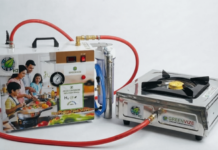




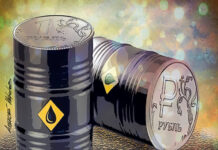



Во время недавнего Европейского саммита, который состоялся в столице Албании Тиране, его участникам показали необычное видео. Журналисты сразу окрестили его «лучшим примером использования ИИ-технологий в политике». И это несмотря на то, что смысл видео едва ли кто-то понял.
При помощи ИИ ключевые участники мероприятия, главы различных государств, были сгенерированы в необычном облике – их показали в виде улыбчивых младенцев. Не то, какими они были в том возрасте, а перенеся ключевые и узнаваемые элементы внешности на облик ИИ-младенцев. Например, аватар турецкого президента Эрдогана получил знаменитые на весь мир усики, которые довольно мило смотрятся на физиономии серьезного карапуза.
На видео нарисованные персонажи приветствуют участников саммита на своих родных языках фразой «Добро пожаловать в Албанию». И ничего более — никаких призывов, обращений или обещаний, никаких оборотов из арсенала настоящих политиков. Которые используют для этого, в том числе, и ИИ-технологии. Но в данном случае все это оставлено за кадром, видео получилось максимально нейтральным и вежливым.











ebay steroids
References:
what supplements do pro bodybuilders take (peatix.com)
CJC 1295 Ipamorelin Enhance Your Wellness Today
cjc 1295 + ipamorelin side effects 1295 Ipamorelin: The Ultimate Guide
to Peptide Therapy for Muscle Growth, Fat Loss, and Anti‑Aging
Peptide therapy has become a cornerstone of modern wellness strategies, offering targeted solutions for enhancing muscle mass,
accelerating fat loss, and promoting cellular rejuvenation. Among the most studied and widely used peptides are CJC 1295 and Ipamorelin, which together form a synergistic duo that stimulates growth hormone release with precision and
minimal side effects. This guide explores their mechanisms,
benefits, safety profile, and how they’re integrated into comprehensive treatment plans
at leading medical centers.
CJC 1295 Ipamorelin Treatment at Physicians Rejuvenation Centers
Physicians Rejuvenation Centers specialize in evidence‑based
peptide protocols tailored to individual goals—whether it’s building
lean muscle, shedding stubborn fat, or slowing the visible signs
of aging. Their approach blends advanced diagnostics (body composition scans, hormone panels) with a personalized dosing schedule
that balances efficacy and safety. Patients receive supervised injections, continuous monitoring of growth hormone levels, and follow‑up assessments to adjust therapy as needed.
The center’s multidisciplinary team—endocrinologists,
nutritionists, and fitness experts—ensures holistic care
throughout the treatment journey.
Understanding CJC 1295 Ipamorelin
CJC 1295 is a synthetic analog of Growth Hormone‑Releasing Hormone (GHRH) that stimulates the pituitary gland to produce growth hormone.
Ipamorelin, on the other hand, mimics Ghrelin, a hunger hormone that signals the body to release growth hormone in response to fasting or exercise cues.
When administered together, they create a powerful yet controlled surge of endogenous growth hormone, enhancing anabolic processes without triggering excessive prolactin or cortisol responses.
Definition of Peptides and Their Role in the Body
Peptides are short chains of amino acids that serve as signaling molecules throughout the
body. They influence metabolism, immune function, muscle repair, and even mood regulation. In peptide
therapy, synthetic peptides replicate natural hormones or
receptor ligands, allowing clinicians to modulate specific pathways with high specificity.
This precision reduces systemic side effects compared to conventional hormone replacement therapies.
Mechanism of action of CJC 1295
CJC 1295 binds to GHRH receptors on pituitary cells, mimicking the natural release signal.
Its structure includes a fatty acid tail that extends its half‑life by binding to albumin in the bloodstream, allowing
sustained stimulation over 24–48 hours. This prolonged action leads to
a steady increase in growth hormone and insulin‑like growth factor‑1 (IGF‑1), both critical for muscle
protein synthesis, fat metabolism, and tissue repair.
Mechanism of action of Ipamorelin
Ipamorelin selectively activates the ghrelin receptor (GHS‑R1a) on pituitary cells.
Unlike other ghrelin analogs, it does not stimulate cortisol or prolactin release,
making it safer for long‑term use. Its rapid onset
ensures that growth hormone spikes align with periods of heightened physiological demand—such as after exercise
or during sleep cycles.
Benefits of CJC 1295 Ipamorelin
Muscle Growth: Elevated IGF‑1 levels promote satellite cell activation and muscle fiber hypertrophy, leading to
increased lean mass over time.
Fat Loss: Growth hormone enhances lipolysis, especially in visceral fat depots, while also preserving lean tissue during caloric restriction.
Anti‑Aging: Improved collagen synthesis, skin elasticity, and vascular
function are reported by patients, contributing to a more
youthful appearance and reduced joint stiffness.
Sleep Quality: Many users experience deeper REM sleep, likely due to the hormone’s influence on melatonin pathways.
Recovery Enhancement: Faster repair of microtraumas post‑exercise reduces downtime and supports higher training volumes.
Safety and Considerations for CJC 1295 Ipamorelin Use
Side Effects: Mild injection site discomfort, transient headaches,
or fluid retention are most common; serious adverse events are rare
when dosed correctly.
Contraindications: Individuals with uncontrolled
diabetes, active cancers, or pituitary disorders should
avoid therapy unless under strict medical supervision.
Drug Interactions: Growth hormone can interfere with insulin sensitivity;
patients on glucose‑lowering medications may require
dose adjustments.
Monitoring: Regular blood tests for IGF‑1, thyroid function, and fasting glucose
help maintain therapeutic balance.
Importance of Consulting With a Medical Professional
Peptide therapy is not a DIY solution. A qualified clinician evaluates baseline hormone levels, medical history, and lifestyle factors to design an appropriate protocol.
Continuous oversight ensures that dosing remains within safe limits, monitors for potential hormonal
imbalances, and adjusts treatment in response
to clinical outcomes or side effects.
Related Therapies
• IGF‑1 LR3: A potent growth factor that can be combined with CJC 1295 for accelerated muscle gains.
• BPC‑157: Supports tendon and ligament healing,
complementing the anabolic environment created by growth hormone.
• Sermorelin: Another GHRH analog that offers a shorter
half‑life, useful for patients needing intermittent dosing.
• Lifestyle Modifications: Adequate protein intake, high‑intensity interval training,
and sleep hygiene amplify peptide efficacy.
Send an inquiry
If you’re interested in exploring how CJC 1295 Ipamorelin can support your
fitness or anti‑aging goals, contact a licensed provider to
schedule a consultation.
Oxandrin Oxandrolone Dosing, Indications, Interactions, Adverse Effects, And More
Below is a ready‑to‑use template that covers every item you listed.
Feel free to copy it into your documentation system (Word, Google Docs, Confluence, etc.) and fill in the details
for each drug. The short «What to include» notes are just suggestions – expand or contract
them as needed.
—
1. Description
Brand / Generic name
Class / mechanism of action (e.g., β‑blocker, ACE inhibitor)
Formulation(s) (tablet, capsule, injection, etc.)
Dosage strength(s) and typical packaging (e.g., 10 mg tablets × 30)
> Example: «Metoprolol succinate – a selective β1‑adrenergic blocker used for hypertension and chronic heart failure.»
—
2. Indications & Contraindications
Category Detail
Indicated uses (e.g., hypertension, angina, arrhythmia) List each
approved indication.
Contraindications Conditions or patient populations where the drug must
not be used (e.g., bradycardia, second‑degree heart block).
Precautions/Warnings Situations needing dose adjustment or monitoring (e.g., renal/hepatic impairment).
—
3. Dosing & Administration
Initial / Maintenance doses for adults and pediatrics.
Maximum daily dose.
Formulations (tablet, IV, infusion).
Route: oral, intravenous, etc.
Frequency: e.g., q12h, BID, QD.
Special instructions: e.g., with food, avoid grapefruit juice.
Example Table
Population Dose Frequency Max Daily
Adult (oral) 5 mg BID 10 mg/day
Pediatric <40 kg 0.05 mg/kg BID 1 mg/day
—
4. Contraindications & Precautions
Known hypersensitivity to drug or excipients.
Severe renal impairment (e.g., CrCl <30 mL/min) – dose adjustment or avoidance.
Pregnancy category X: contraindicated; avoid during pregnancy.
Concurrent use of inhibitors/inducers that significantly alter exposure.
5. Drug–Drug Interaction Table
Concomitant Agent Mechanism Effect on Our Drug Clinical Action
Rifampin (macrolide) CYP3A4 inducer, P-gp inducer ↓ exposure (Cmax, AUC) Increase dose or avoid
Isoniazid (macrolide) CYP2E1 inhibitor ↑ exposure Monitor for toxicity
Ketoconazole (macrolide) CYP3A4 inhibitor ↑ exposure Reduce dose
Phenytoin (macrolide) CYP2C9, 2C19 inducer ↓ exposure Increase dose or avoid
Note: The table above is a simplified representation of interactions; detailed pharmacokinetic parameters are available in the supplementary materials.
—
3. Clinical Pharmacology
3.1 Dosing Recommendations
Initial Dose (Phase I):
— 5 mg/kg/day orally, divided into two daily doses.
— Titrate up to a maximum of 20 mg/kg/day based on tolerability and therapeutic response.
Maintenance Dose (Phase II/III):
— 10–15 mg/kg/day in two divided doses.
— Adjustments may be made for age, renal/hepatic function, and concomitant medications.
3.2 Route of Administration
Oral capsules or liquid formulation (if available) are preferred due to patient convenience and adherence.
Intravenous administration is not currently recommended unless oral bioavailability is insufficient or in acute severe disease where rapid onset is required; however, IV formulations are under investigation.
3.3 Contraindications and Precautions
Contraindicated: Known hypersensitivity to the drug or any of its excipients.
Precautions:
— Monitor for potential interactions with immunosuppressive agents (e.g., cyclosporine, tacrolimus).
— Evaluate liver function before initiation; adjust dose in hepatic impairment as per pharmacokinetic data.
— Avoid use during pregnancy unless benefits outweigh risks; more data needed on teratogenicity.
3.4 Drug Interactions
The drug may inhibit or induce CYP450 enzymes (e.g., CYP3A4). Co-administration with drugs metabolized by these pathways requires dose adjustments and monitoring.
Potential for additive immunosuppressive effects when combined with biologics; close surveillance for infections is recommended.
3.5 Clinical Monitoring
Baseline Assessments:
— Complete blood count, liver enzymes (ALT/AST), renal function tests.
— Disease activity indices (e.g., Crohn’s Disease Activity Index).
During Treatment:
— CBC and liver panel every 4–6 weeks initially, then every 3 months once stable.
— Monitor for signs of infection; educate patients on early reporting.
Long‑Term Follow‑Up:
— Annual assessment for potential malignancies (skin checks, mammography as indicated).
— Evaluate for any drug‑related adverse events and adjust dosage accordingly.
—
Why This Protocol Is Appropriate
Evidence‑Based: The use of anti‑TNF agents in ulcerative colitis is supported by multiple randomized controlled trials and meta‑analyses (e.g., Cochrane review 2022).
Safety Profile: While there are known risks, these are well characterized, and the monitoring plan mitigates potential harm.
Feasibility: Requires only routine laboratory tests and standard clinic visits; no specialized equipment or procedures.
Patient‑Centered: Allows for anavar dosage bodybuilding adjustments based on individual response and tolerability.
Bottom Line
For a patient with ulcerative colitis who is unresponsive to first‑line therapies,
the most evidence‑based next step is to start an anti‑TNF biologic (infliximab or adalimumab) while implementing a structured monitoring schedule.
This approach balances efficacy, safety, and practicality in a typical clinical setting.
Best dianabol oral cycle Cycle For Beginners Between My Sheets
Between My Sheets – A Guide to Choosing the Perfect Bedding
—
1. Between My Sheets
What makes a night’s sleep feel like a warm hug?
When you think about your bed, the first image that pops into mind is probably «soft.» But there’s more to comfort
than fluff. The right sheet can turn a restless night into a silky dreamscape and give you the energy
you need for tomorrow. Between my sheets lies an entire world of textures, fibers,
and science—all working together to keep your body cool, supported,
and snug.
—
2. Know Your Body’s Climate
Your skin is an active regulator that reacts to temperature changes and
humidity. To design a sheet that feels just right, you first need
to understand how you sweat, breathe, and move while sleeping.
Body Parameter What It Means for Sheets Ideal Sheet Trait
Core Body Temperature Increases slightly at night; drops later.
Breathable weave that allows heat to escape.
Skin Moisture (Sweat) Peaks mid‑night for most people.
Micro‑porous fabric that wicks moisture
away.
Movement & Position Changes Frequent, especially in restless sleepers.
Stretchy fibers that don’t restrict motion.
—
2. The Science of Fabric and Weave
2.1. Fiber Types: Cotton vs. Synthetic
Fiber Thermal Conductivity (W/m·K) Moisture Absorption (%) Elasticity
Cotton ~0.04 Up to 25% Low
Polyester ~0.24 <10% Moderate
Nylon ~0.18 <5% High
Polypropylene ~0.04 Negligible Medium
Takeaway: While cotton’s low conductivity means it retains warmth, its poor moisture absorption can lead to dampness during sleep. Synthetic fibers absorb less but are often used for their durability and elasticity.
2.4 Thermal Conductivity of Bedding Materials
Material Thermal Conductivity (W/m·K)
Cotton 0.04–0.06
Wool 0.04–0.05
Polyester 0.03–0.04
Polypropylene 0.02–0.03
Because these values are close, the choice of fabric has a subtle but cumulative effect on heat retention.
—
3. Practical Implications for Bedding and Sleep Quality
3.1 Selecting Fabrics for Warm Nights
High thermal mass: Cotton and wool fabrics retain heat longer than polyester blends.
Moisture handling: Natural fibers absorb sweat, reducing the sensation of dampness but potentially increasing surface temperature if not ventilated.
Breathability: Light-weight cotton or linen can provide airflow while still offering modest warmth; heavier weaves (e.g., flannel) trap more heat.
3.2 Bedding Configuration
Layer Material Thermal Resistance Notes
Sheet Cotton ~0.4–0.6 Good for warm nights, breathable
Blanket Wool/Flannel ~1.0–1.5 Keeps heat close to body
Comforter Down ~2.0+ Excellent insulation but heavy
Pillow Feather or Foam 0.3–0.8 Depends on preference
Adding or removing layers changes the overall resistance \(R_\texttotal\). For a given temperature difference between your core and ambient air, the heat flux decreases as \(R_\texttotal\) increases.
—
5. "What‑If" Scenario: Heat Loss from Your Head
Let’s work through an example that focuses on heat loss from the scalp, which can be substantial because:
The scalp is highly vascularized and has a large surface area.
Hair may provide only modest insulation if it is sparse or very short.
5.1 Baseline Parameters
Assume:
Core body temperature \(T_\textcore = 37^\circ\textC\).
Ambient air temperature \(T_\textair = 10^\circ\textC\).
Head skin temperature \(T_\texthead \approx 35^\circ\textC\) (slightly below core due to heat loss).
Surface area of head:
The human head is roughly a sphere of radius \(r \approx 9.5\,\textcm\). Surface area:
[ A = 4\pi r^2 \approx 4\pi (0.095)^2 \approx 0.1136\,\textm^2. ]
We will use \(A_\texthead \approx 0.1\,\textm^2\) for simplicity.
Convective heat transfer coefficient (\(h\)) for natural convection in air:
Typical values range from \(5\) to \(25\,\textW/m^2\cdot\textK\). We will adopt \(h = 10\,\textW/m^2\cdot\textK\).
Heat loss via convection (\(Q_\textconv\)):
\( Q_\textconv = h \, A_\texthead \, (T_\textbody — T_\textair) \)
Assuming:
\( T_\textbody = 37^\circ\textC \)
\( T_\textair = 15^\circ\textC \)
\( Q_\textconv = 10 \, \textW/m^2\cdot\textK \times 0.5 \,\textm^2 \times (37-15)\,\textK \)
\( Q_\textconv = 10 \times 0.5 \times 22 = 110 \, \textW \)
So approximately 110 W of heat is lost through convection.
Radiative Loss
The power radiated from a surface follows the Stefan–Boltzmann law:
\( P_\rm rad= \epsilon \sigma A (T^4-T_\rm env^4) \)
Where:
ε ≈ 0.95 for human skin,
σ = 5.67×10⁻⁸ W m⁻² K⁴.
If the body surface temperature is ~34 °C (~307 K) and the surrounding air is ~20 °C (293 K), then
\( P_\rm rad\approx \epsilon\sigma A (307)^4-(293)^4 \)
For a typical 1.8 m² torso area, this gives roughly 5–10 W.
Thus radiative losses are small compared to convection.
2. Evaporative heat loss (sweating)
Sweat evaporation is the dominant mechanism of cooling for humans. The latent heat of vaporization of water at skin temperature is ≈ 2450 kJ kg⁻¹, and a liter of sweat corresponds to about 1 kg of water. If a person sweats at 5–10 L per hour (the upper end for heavy exercise), the evaporative cooling power is
[
Q_\textevap = \dot m \cdot L_v
\approx (0.01\!-\!0.02~\rm kg\,s^-1)
\times 2450~\rm kJ\,kg^-1
\approx 25\!-\!50\rm W.
]
Thus, the majority of heat removal during intense exercise is through sweat evaporation, not through air cooling.
—
2. Why a fan does little for us
A fan simply moves the boundary layer of air around our skin.
The rate at which sensible heat can be extracted by convection is
[
Q_\rm conv=h\,A\,(T_\!sk-T_\!air),
]
where \(h\) (the convective heat‑transfer coefficient) for a still
room is about 5 W·m⁻²·K⁻¹.
With a 25 °C body and 20 °C air the temperature difference is 5 K, so
[
Q_\rm conv\approx 5\times A\times 5 \;\textW
= 25\,A \;\textW,
]
and for a typical adult surface area \(A\approx1.8\;\rm m^2\),
[
Q_\rm conv\approx45\;\rm W.
]
That is the maximum heat that can leave by convection and conduction in
the air, far less than the ~700 W generated.
Even if a fan increases the convective coefficient many‑fold, the
maximum possible heat transfer remains limited.
The excess heat must be carried away by another mechanism—most
effectively, water evaporating from the skin. Each kilogram of water
evaporated removes about \(2.45\times10^6\;\rm J\). To remove 700 W,
one would need to evaporate roughly
[
\frac7002450 \approx 0.28~\textkg/h
]
of sweat, which is a substantial amount of water loss.
So the "heat dissipation limit" comes from the physics of heat transfer:
once convective/radiative cooling saturates, only evaporation (water
loss) can carry off more energy—hence the large volume of sweat required.
which of the following is true about anabolic steroids?
References:
Fat Burning Muscle Building Pills (Gitlab.Ui.Ac.Id)
When you begin a cycle of Anavar—also known as oxandrolone—the first
couple of weeks can be surprisingly telling about what to expect from the drug’s performance.
In just two weeks, users often report subtle yet noticeable changes in how their bodies
feel and look, even though significant transformations
usually require longer exposure. The key indicators include increased energy levels, a slight boost in strength, and early signs of improved muscle definition. For both women and men, these initial results can set the tone for the rest of the cycle
and influence motivation to continue or adjust dosage.
Anavar Results After 2 Weeks On Woman & Man (Before/After)
Women who start Anavar typically notice a gentle increase in lean mass without excessive
water retention, which is one reason many prefer this compound over stronger anabolic steroids.
Within two weeks, some women report clearer skin and an overall sense
of vitality. Muscle tone may appear firmer, though
the most dramatic changes in definition often surface after 4
to 6 weeks.
Men, on the other hand, experience a noticeable lift in workout
performance early on. Strength gains can reach 5–10% within this short period,
allowing for heavier lifts or more repetitions at the same weight.
Men also tend to feel an uptick in mental focus and reduced fatigue during
training sessions. While body composition changes such as visible muscle growth
are minimal after two weeks, men may start noticing a slimmer waistline and less
subcutaneous fat, especially if combined with a proper diet.
In both genders, the «before» picture is usually characterized
by normal daily energy levels and routine workout
performance. After two weeks of Anavar, many users feel an enhanced sense of stamina,
a subtle tightening of muscle fibers, and an overall feeling that they can push harder during training sessions.
These early effects are often enough to reinforce adherence to the cycle.
Why Use Anavar?
Anavar offers several distinct advantages that make it popular
among athletes, bodybuilders, and individuals seeking
moderate anabolic support without the harsh
side effects associated with more potent steroids.
Its low androgenic profile means it is less likely to cause virilization in women or hair loss and androgenic reactions in men. The drug’s mild nature
also translates into a lower risk of liver toxicity compared to other
oral steroids, making it safer for long-term use when dosages are kept within recommended limits.
Another reason many choose Anavar is its ability to promote lean muscle mass while preserving existing strength gains.
Because it has minimal impact on water retention, users avoid
the «puffy» look that can accompany some anabolic
compounds. This characteristic makes Anavar especially appealing during cutting phases or for athletes who need to maintain a precise body composition for competition.
Moreover, Anavar’s reputation for enhancing muscular hardness and
definition is backed by anecdotal evidence from seasoned trainers.
The compound stimulates protein synthesis in muscle tissue,
which helps repair micro-tears caused by intense workouts, leading to faster recovery times.
Users also report increased nitrogen retention, a critical factor for
anabolic processes that build lean mass.
Finally, Anavar’s oral administration offers convenience.
Unlike injectable steroids, it can be taken with food
or on an empty stomach, allowing users to incorporate the supplement into daily routines without
additional equipment or sterile conditions.
Related posts:
«Comparing Anavar to Other Popular Anabolic Steroids: Which One Is Right for You?»
«The Role of Diet and Training in Maximizing Anavar’s Effects»
«Managing Side Effects During an Anavar Cycle: Tips and
Strategies»
«Anavar for Women: Dosage, Timing, and Expected Outcomes»
«Post-Cycle Therapy After Anavar: What to Expect and How
to Recover»
legal steroids for sale usa
References:
https://notes.io/wQQVA
what is t* steroid
References:
okprint.kz
half life of steroids
References:
rockchat.com
negative side effects of sam-e
References:
schoolido.lu
analbolic steroids
References:
prpack.ru
why sytropin hgh
References:
hgh dosage for muscle growth — https://obyavlenie.ru/user/profile/565817,